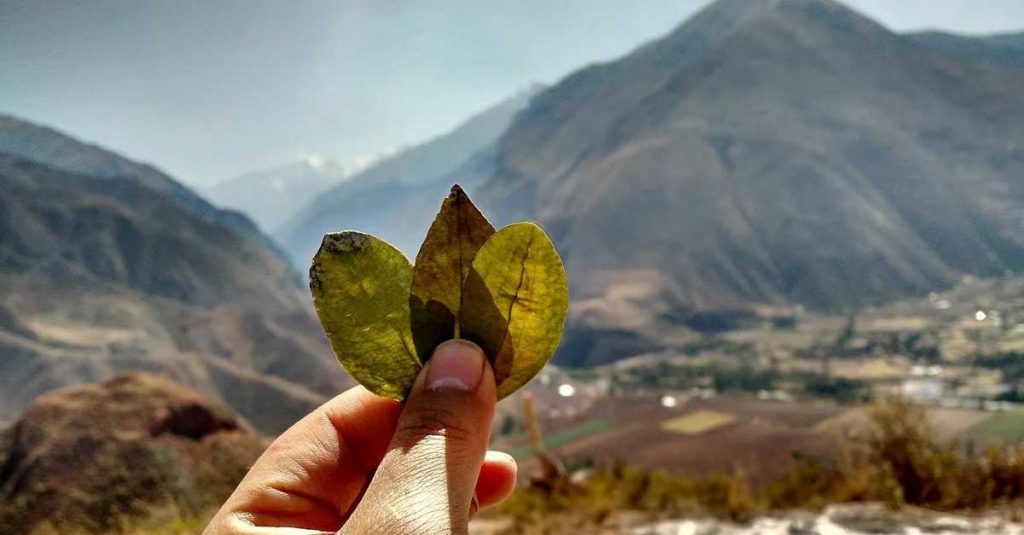
Gratitude isn’t just a vibe, it’s a practice!
Most of us talk about gratitude like it’s an emotion that shows up when life is going well. Like a bonus feature. But daily gratitude is more like brushing your teeth: it’s not about having a perfect day, it’s about keeping your inner world clean enough to actually live in.
The tricky part is that modern life trains us to scan for problems. It rewards urgency. It turns attention into a commodity. So even when things are good, the mind keeps looking for what’s missing, what’s late, what might go wrong. A daily gratitude practice interrupts that pattern in a simple, almost stubborn way: it forces the brain to rehearse “what is working” instead of “what is threatening.”
That’s not fluffy. It’s psychological conditioning. And it’s one reason gratitude practices show up again and again in modern research: they’re small, repeatable, and they shift how we process experience over time. But here’s what’s even more interesting: Indigenous traditions weren’t waiting for studies to validate this. Many have already built daily gratitude into life as a disciplined relationship with balance.
That’s where the Andean kintu prayer comes in, an ancient practice for gratitude that doesn’t need to be loud, complicated, or performative. It’s simple, grounded, and (honestly) kind of genius in how it trains the mind and heart at the same time.
What the kintu prayer is (and what the three leaves mean)
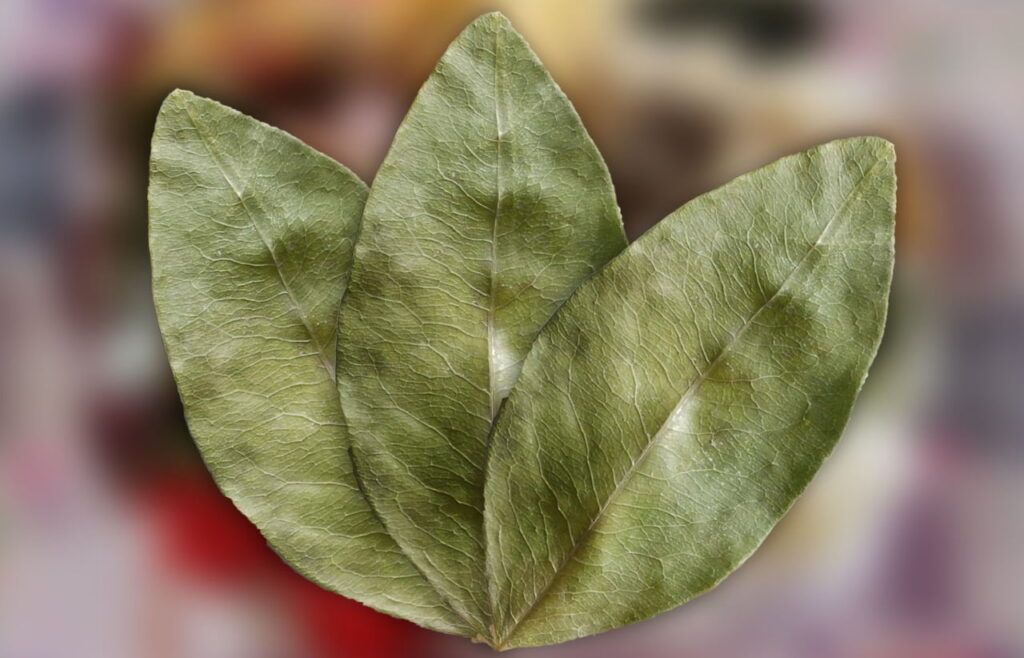
A kintu is commonly described as a prayer-offering made with three coca leaves carefully selected and held together. The “three” isn’t random. In many teachings, those three leaves represent:
- The past, the present, and the future
Gratitude for what was, what is, and what will be.
and/or
- The upper world, the middle world, and the lower world
Often spoken of as the three realms of Andean cosmology, sometimes referred to as:- Hanan Pacha (upper world)
- Kay Pacha (this world / middle world)
- Uku Pacha (lower world)
- Hanan Pacha (upper world)
Depending on the lineage/teacher/community, the language and emphasis can vary, but the core structure remains: three leaves, three directions of gratitude. It’s a daily reminder that gratitude isn’t only for what’s obvious right now. It can include memory, presence, and possibility. It can include protection, guidance, and unseen support.
And that’s one reason the kintu feels so psychologically “complete.” A lot of people get stuck in one time zone, regret (past), anxiety (future), or numbness (present). The kintu gently asks you to touch all three, like tuning an instrument.
Ayni: Why this is more than “being thankful”
In the Andean worldview, gratitude is often tied to ayni, the principle of reciprocity, balance, and right relationship. But reciprocity here doesn’t have to mean “do more tasks.” It can be as simple as living with respect instead of entitlement, and remembering that life is not something we stand outside of.
Modern gratitude trends sometimes make it sound like a personal performance: “If I’m grateful enough, I’ll become happier/more successful/more magnetic.” That’s not really the spirit of ayni. Ayni is less “gratitude as a hack,” and more “gratitude as a way of staying in balance.”
And that’s why the kintu is powerful even as a minimalist practice. The act of choosing three leaves (or symbolically holding three intentions) is a way of saying:
- I notice what I’ve received.
- I recognise I’m not self-made.
- I choose to live with balance.
That’s it. No pressure. No spiritual Olympics. Just daily alignment.
Modern science examples: why daily gratitude works
Modern psychology doesn’t use the language of ayni or the three worlds, but it keeps arriving at similar conclusions: gratitude reshapes attention, emotion, and resilience.
Here are a few ways researchers often explain the effects (in plain language):
- Gratitude trains attention.
When you regularly list what you appreciate, your brain gets better at noticing supportive or meaningful details. This is sometimes linked to shifts in cognitive bias, less automatic negativity scanning, and more balanced perception. - Gratitude reduces rumination.
Rumination is that mental replay of what went wrong or what might go wrong. Gratitude doesn’t erase problems, but it can reduce the mind’s tendency to loop. - Gratitude supports relationships.
Even when practised privately, gratitude tends to increase feelings of connection and warmth, which can change how we show up with others. - Gratitude is associated with better well-being.
Many studies find that people who do gratitude journaling or gratitude reflection report improvements in mood and life satisfaction compared to control groups.
Classic examples in the field include work by researchers like Robert Emmons and Michael McCullough on gratitude journaling and well-being outcomes, and later work exploring gratitude’s connection to mental health and brain activity. The details differ across studies, but the repeated theme is: small, consistent gratitude habits tend to have real psychological benefits.
The point isn’t “science proves kintu.” The point is that science is slowly describing, using measurements and terminology, something Indigenous traditions already practised with structure and devotion.
Where kintu and modern gratitude practice match perfectly
What makes the kintu approach feel so timeless is that it naturally includes three ingredients modern gratitude practices often recommend:
- Consistency (it’s daily or regular)
- Specificity (you choose particular things)
- Emotional presence (you don’t rush it)
But the kintu adds something that many modern versions miss: a shape. A rhythm. A built-in completeness.
Past, Present, Future (a surprisingly healing triangle)
- Past gratitude can soften regret and help integrate hardship into wisdom.
- Present gratitude grounds you and reduces “life is elsewhere” thinking.
- Future gratitude isn’t denial; it’s a gentle practice of trust, hope, and orientation.
Upper, Middle, Lower worlds (a spiritual form of balance)
For those who relate more to the three realms:
- Gratitude for guidance/support from the upper world
- Gratitude for your relationships and daily life in the middle world
- Gratitude for ancestry, healing, and deep foundations in the lower world
Either way, the structure keeps gratitude from being one-dimensional.
A simple daily kintu-style gratitude ritual (easy, 2 minutes)
This is intentionally light and accessible, based on what you asked for, no extra steps, no “homework,” just gratitude with the kintu structure.
- Hold three leaves (or three small objects, or just your hands together)
- If you’re not in a context where coca is appropriate/legal, you can use:
- three mint leaves, three tea leaves, three petals, or three breaths.
- three mint leaves, three tea leaves, three petals, or three breaths.
- If you’re not in a context where coca is appropriate/legal, you can use:
- Choose one of the two meanings
- Past / Present / Future
or - Upper / Middle / Lower worlds
- Past / Present / Future
- Name one gratitude for each
Keep it specific. Examples:
Past / Present / Future- Past: “I’m grateful for the friend who showed up when I was struggling.”
- Present: “I’m grateful for warm food and a quiet moment.”
- Future: “I’m grateful for the chance to learn, heal, and keep going.”
- Past: “I’m grateful for the friend who showed up when I was struggling.”
- Upper / Middle / Lower
- Upper: “I’m grateful for guidance and protection.”
- Middle: “I’m grateful for the people and opportunities in my day.”
- Lower: “I’m grateful for my roots, my ancestors, and my resilience.”
- Upper: “I’m grateful for guidance and protection.”
- Finish with one grounded line
- “May I live in balance.”
- “May I walk with respect.”
- “May I remember what matters.”
- “May I live in balance.”
- Finalise The prayer
- Blow each gratitude prayer into each individual leaf.
- Fold the leaves around each other to form a tiny parcel.
- Eat the leaves if you choose to do so or offer them to one of the four elements fire, water, wind and earth.
That’s the whole practice. Simple enough to do when you’re tired. Gentle enough to do when life feels heavy. And structured enough to keep your gratitude from turning into generic affirmations.
What to avoid (so it stays respectful and real)
- Don’t treat kintu as aesthetic content or a “manifestation trick.”
- Don’t overcomplicate it until it becomes another self-improvement chore.
- If you want a deeper cultural or ceremonial context, learn from Andean teachers and honour their time and knowledge properly.
This practice works best when it’s humble. Quiet. Repeated.
Modern thinking is catching up
Daily gratitude isn’t new. What’s new is how loudly modern culture is rediscovering it, and how often science is now backing up what ancient traditions practised without needing proof.
The Andean kintu prayer is a reminder that gratitude can be structured, embodied, and balanced. The three leaves don’t just represent “three nice thoughts.” They represent a way of living: in time, in spirit, in relationship with life; past, present, and future; upper, middle, and lower.
And maybe that’s the real lesson. Not that we should copy Indigenous traditions, but that we can listen to the intelligence inside them. Modern research is catching up, but the wisdom has been here the whole time—quietly practised each morning, one leaf at a time.
FAQs
1) Do I have to use coca leaves for a kintu practice?
Not necessarily. If coca isn’t appropriate or legal where you are, you can use three symbolic items or even three breaths while keeping the same structure and intention.
2) Which meaning should I use, past/present/future or upper/middle/lower worlds?
Use the one that resonates most. Some people alternate depending on what they’re moving through emotionally or spiritually.
3) Can gratitude for the future be “fake” if life is hard?
It doesn’t have to be forced positivity. Future gratitude can be as simple as gratitude for possibility: “I’m grateful I have another day to try.”
4) How long should I do this to feel a difference?
Most people notice subtle shifts when they do it consistently. It’s a cumulative practice, tiny daily changes that compound over weeks.5) What if I can’t think of three things?
Start smaller. Gratitude can be basic: breath, water, a clean cup, a moment of quiet. Some days, “I got through today” counts.


Subscribe to My Newsletter
If you would like to keep up to date on all the exciting events, news, information and free healings and meditations available here at Shaman of Brighton subscribe to our newsletter!
Let me know your month of birth and receive a special birthday gift for that month!